


It causes itching, redness, and cracks, and can spread to the nails and other parts of the body.
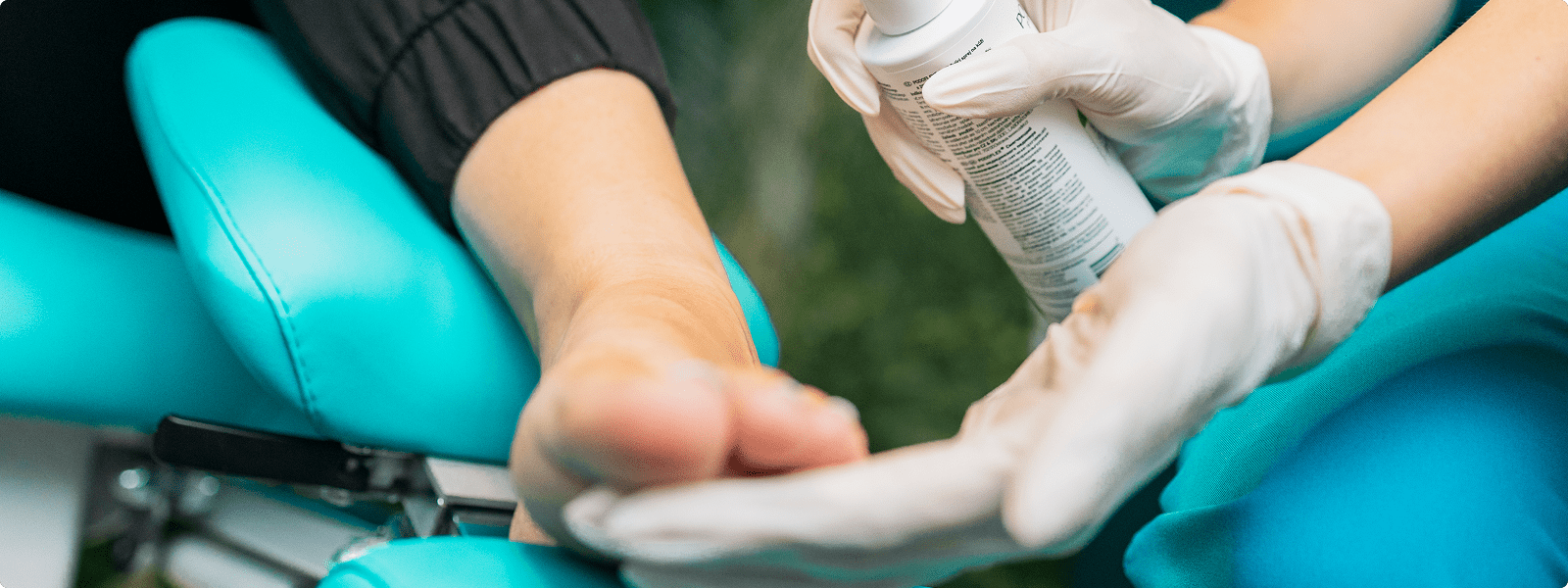
What is Athlete’s Foot (Tinea Pedis)?
Athlete’s foot (tinea pedis) is a common fungal infection of the skin on the feet, most commonly occurring between the toes. It is not dangerous but can be uncomfortable and can quickly spread to the nails or other parts of the body.
How to recognize athlete’s foot?
- itching, burning sensation, or unpleasant odor,
- redness and peeling of the skin,
- cracks between the toes,
- occasionally, the appearance of blisters or thickened skin on the soles.
Why does athlete’s foot occur?
- fungi thrive in warm and moist environments (sports shoes, public showers, pools),
- wearing tight or non-breathable shoes,
- excessive sweating of the feet,
- use of contaminated towels, socks, or shoes.
What can you do?
- maintain regular foot hygiene – wash and dry your feet thoroughly every day,
- wear cotton socks and breathable footwear,
- avoid walking barefoot in public showers, changing rooms, or pools,
- use antifungal creams or sprays (available without a prescription),
- if the infection is persistent, consult a podiatrist or doctor.
With proper care, athlete’s foot usually heals quickly, and prevention is key to avoiding recurrence.
Tinea Pedis (Athlete’s Foot) in Diabetics
Prevention and Care
Tinea pedis, also known as athlete’s foot, is a fungal infection of the feet that can lead to serious complications in diabetic patients, including ulcers. This is why prevention is extremely important, especially for diabetic patients who are more susceptible to infections.
Tinea pedis is one of the dermatophytoses, one of the most common skin infections in the world, caused by dermatophytes, yeasts, or molds. It typically affects the feet. Fungal skin infections are contagious, can become chronic, and may spread to other parts of the body or to other people. While not life-threatening, they can significantly affect quality of life.
Types and forms of infection
- Tinea pedis: feet
- Tinea unguium: nails
- Tinea corporis: body
- Tinea capitis: scalp
- Tinea faciei: face
- Tinea barbae: beard
- Tinea inguinalis: groin
- Tinea manuum: hands
Tinea pedis occurs in three forms:
- Interdigital (between the toes): itching, redness, peeling, and maceration of the skin
- Plantar: peeling, redness, and inflammation of the sole
- Vesiculobullous: sudden appearance of itchy blisters that can become infected with bacteria
The most common causative agents of tinea pedis are the dermatophytes Trichophyton rubrum and Trichophyton mentagrophytes. Related terms “athlete’s foot” and “sport foot” also refer to infections caused by yeasts and molds.
Why are diabetics more at risk?
In diabetic patients, tinea pedis can lead to diabetic foot, a serious complication involving infections, ulcers, and deep tissue destruction. In extreme cases, amputation may be necessary if the infection progresses. Fungi attach to the skin surface in the stratum corneum, where they live parasitically within corneocytes. Regular washing of the feet with soap reduces the number of fungi and prevents their penetration into deeper layers of skin. Studies show that proper foot hygiene significantly reduces the risk of tinea pedis in diabetics.
Risk Factors
- Chronic diseases, weakened immune system
- Nail or skin injuries
- Long-term wearing of closed shoes made of synthetic materials
- Working in warm and humid environments
- Excessive sweating and public swimming pools
The interior environment of shoes is a key factor. Closed shoes made of artificial materials increase temperature and moisture, promoting fungal growth. Wearing open shoes or footwear made of natural materials significantly reduces the risk of tinea pedis.
How to prevent tinea pedis?
- Regular washing of feet – especially between the toes, with soap, and drying with a towel.
- Appropriate footwear – breathable, made of natural materials, changing shoes according to the season.
- Proper hygiene – regularly changing socks and footwear, avoiding sharing towels or shoes
- Education for diabetics – proper foot care, washing, and recognizing early symptoms
Tinea pedis in diabetics is not just an aesthetic issue, but can lead to serious health complications. Regular foot hygiene, proper footwear, and educating patients about the risks are essential for preventing infection and maintaining quality of life.


help yourself
Support for athlete’s foot – products for home care
Among the many foot-care products available, choosing the right ones can be difficult. In our online store, we offer carefully selected products designed to support care for athlete’s foot, protect the skin, and complement professional podiatric treatments. Our selection is based on quality, safety, and proven effectiveness.
